

Thomas Leslie on Chicago Skyscrapers 1934-1986
The Cliff Dwellers — July 28, 2026

Tom Leslie signing books at The Cliff Dwellers
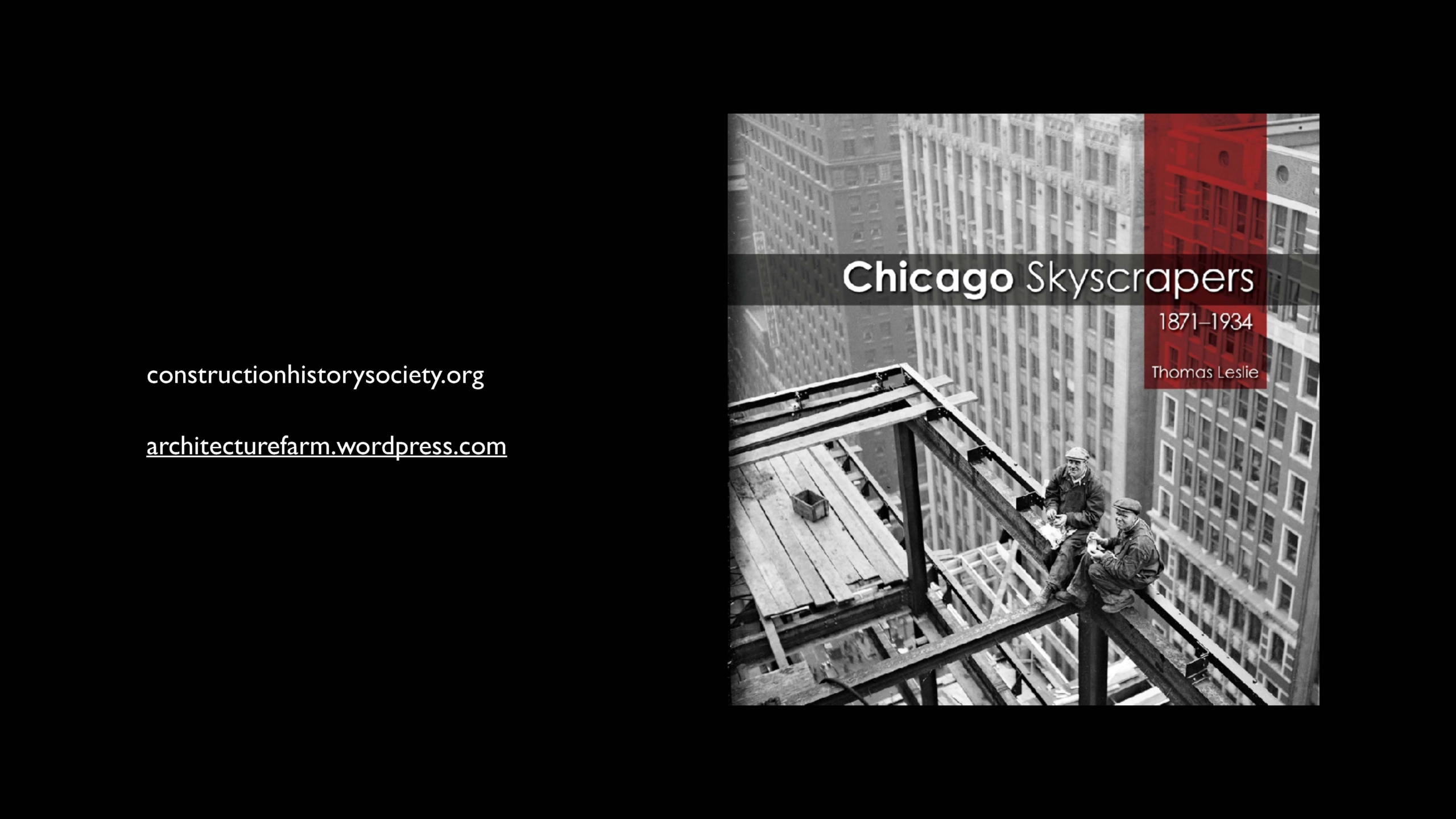
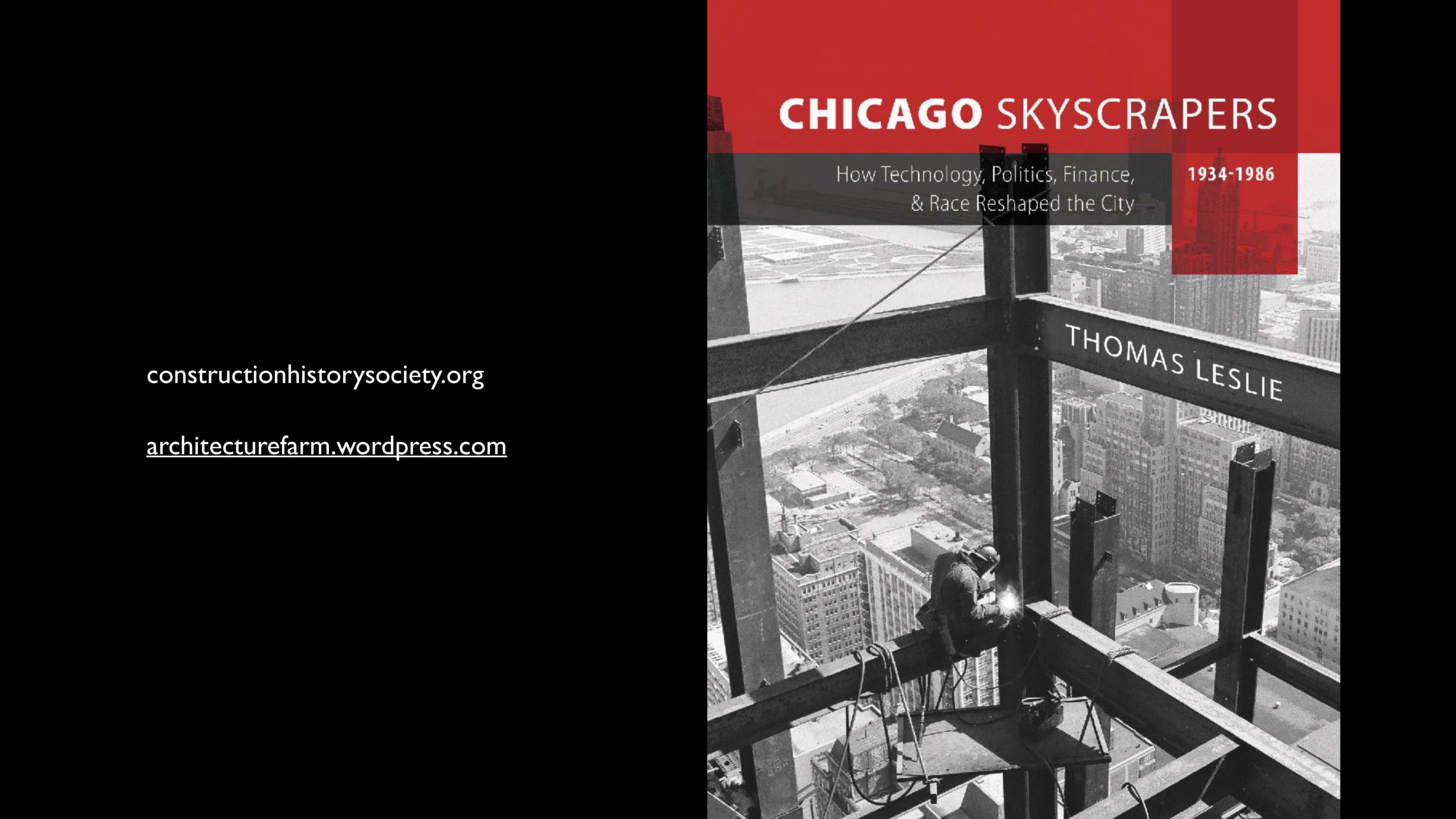
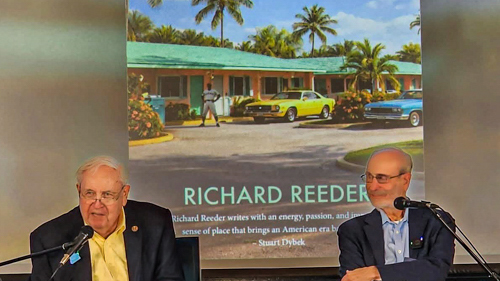
Editor’s Note. This video and the transcript below captures an evening lecture at The Cliff Dwellers featuring architectural historian and Cliff Dweller Thomas Leslie discussing his new book Chicago Skyscrapers, 1934-1986.
Patricia Natke opened the program on behalf of the University of Illinois Urbana-Champaign School of Architecture’s Alumni Advisory Board. She welcomed the audience and introduced Francisco Javier Rodríguez-Suárez, the University’ School of Architecture’s Director, who in turn introduced Tom Leslie, the School’s Ralph Johnson Professor of Design.
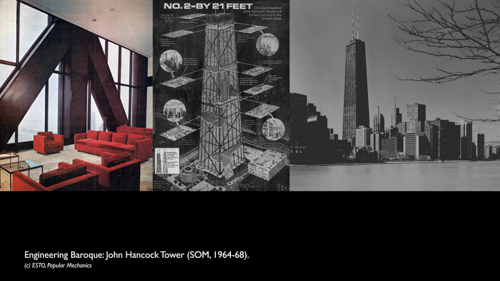
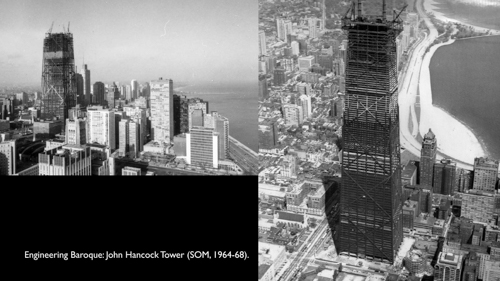
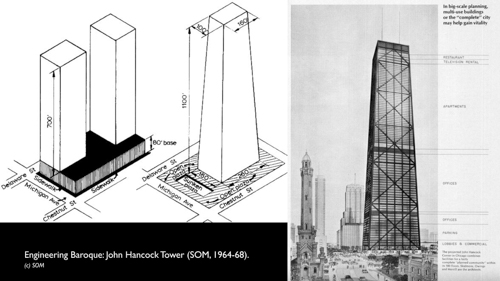
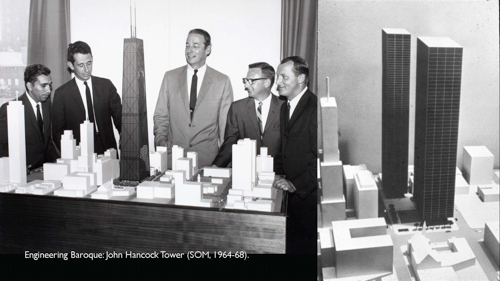
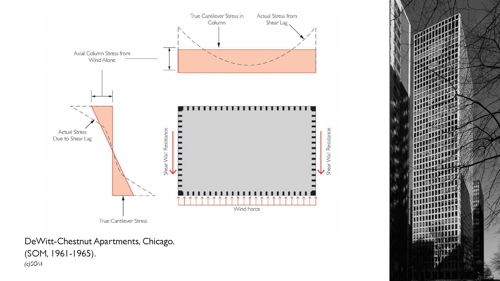
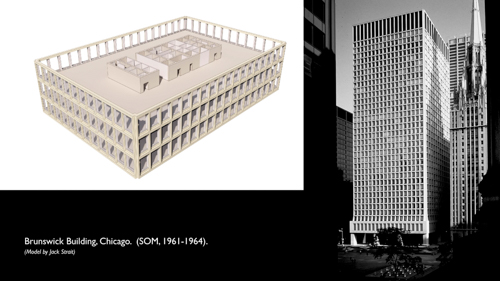
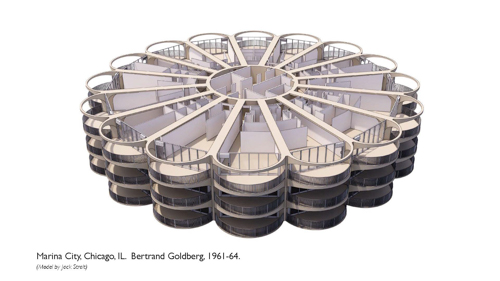
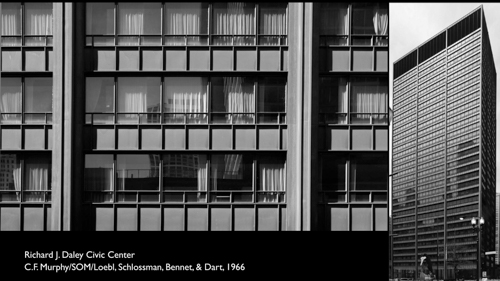
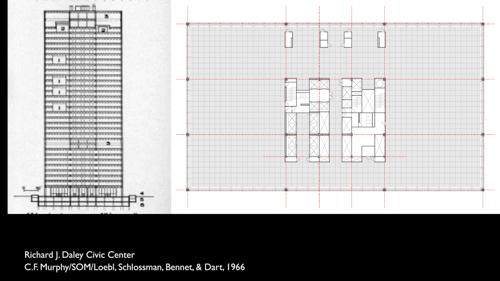
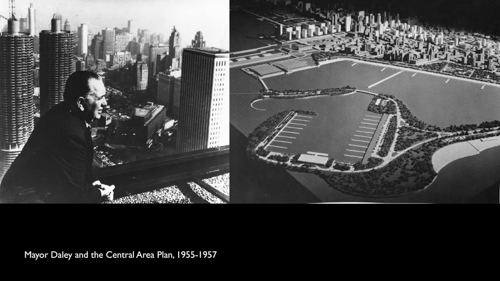
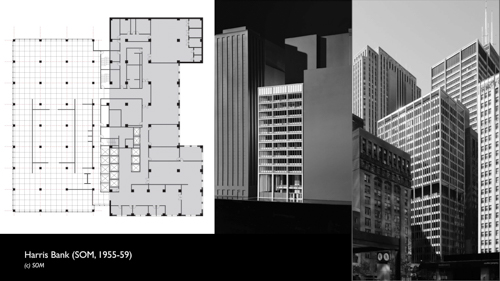
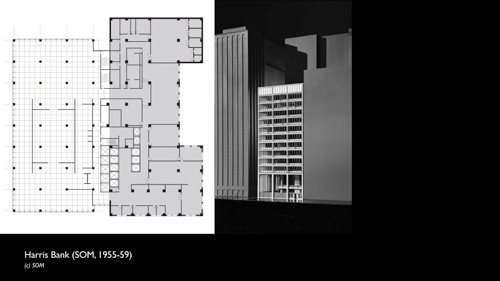
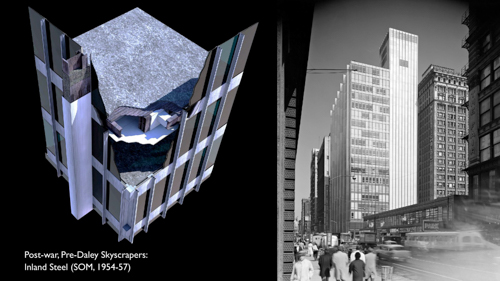
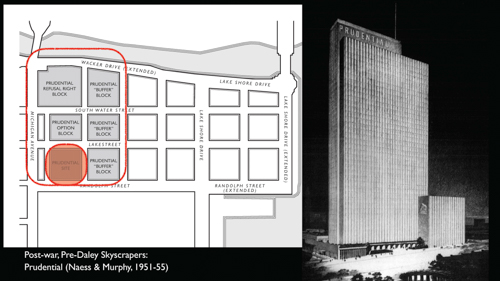
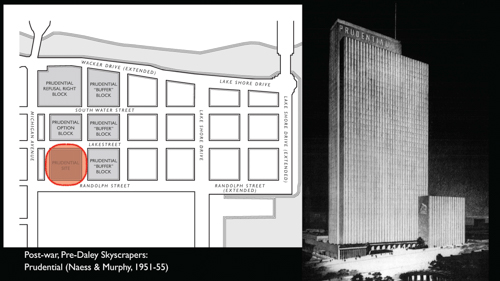
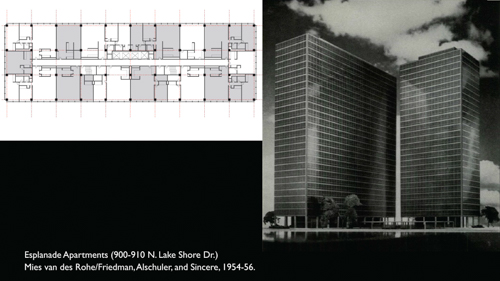
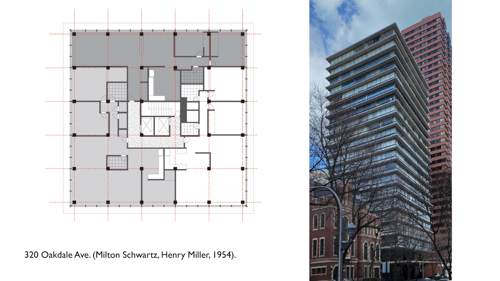
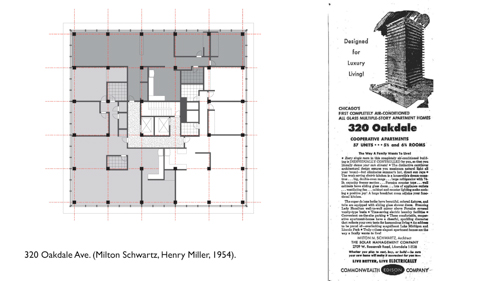
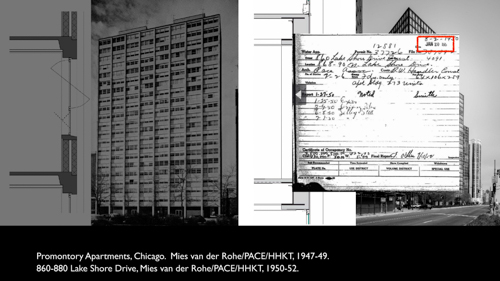
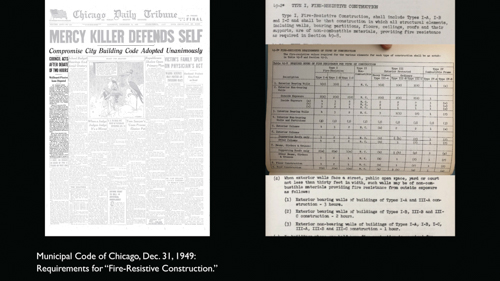
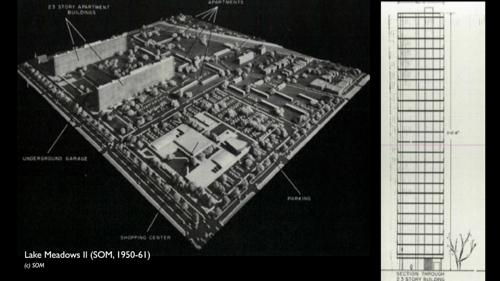
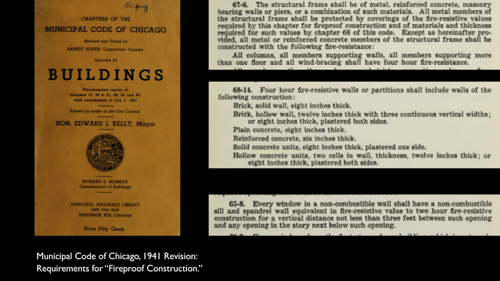
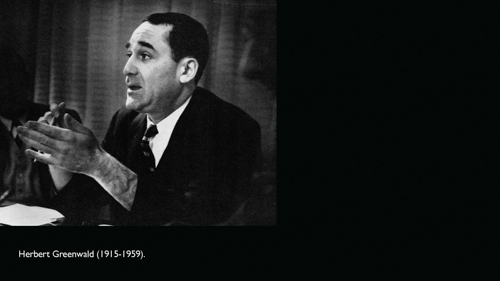
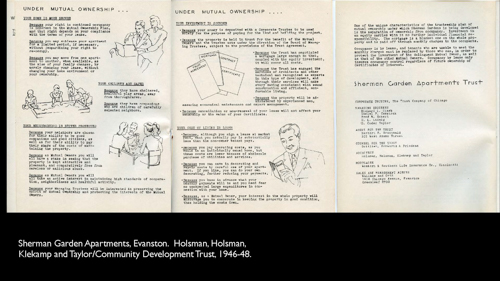
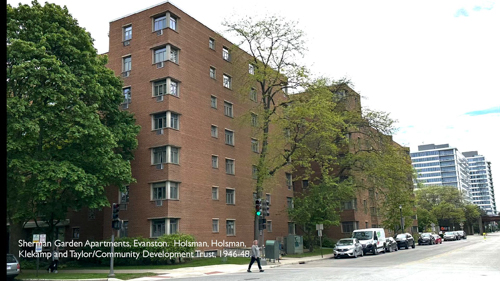
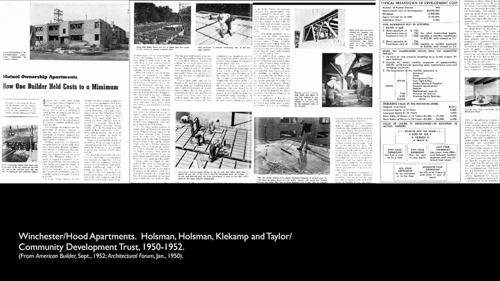
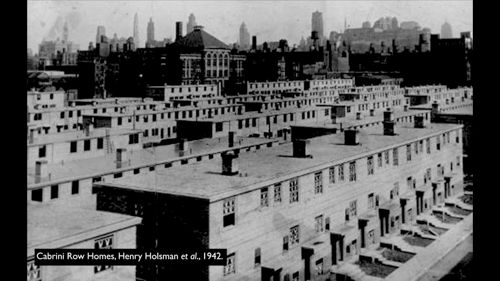
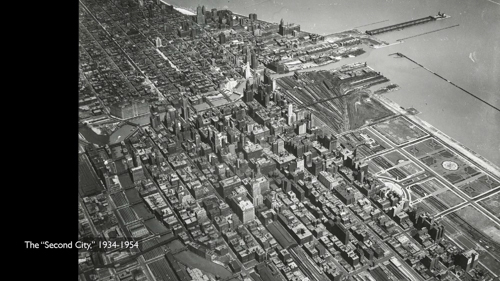
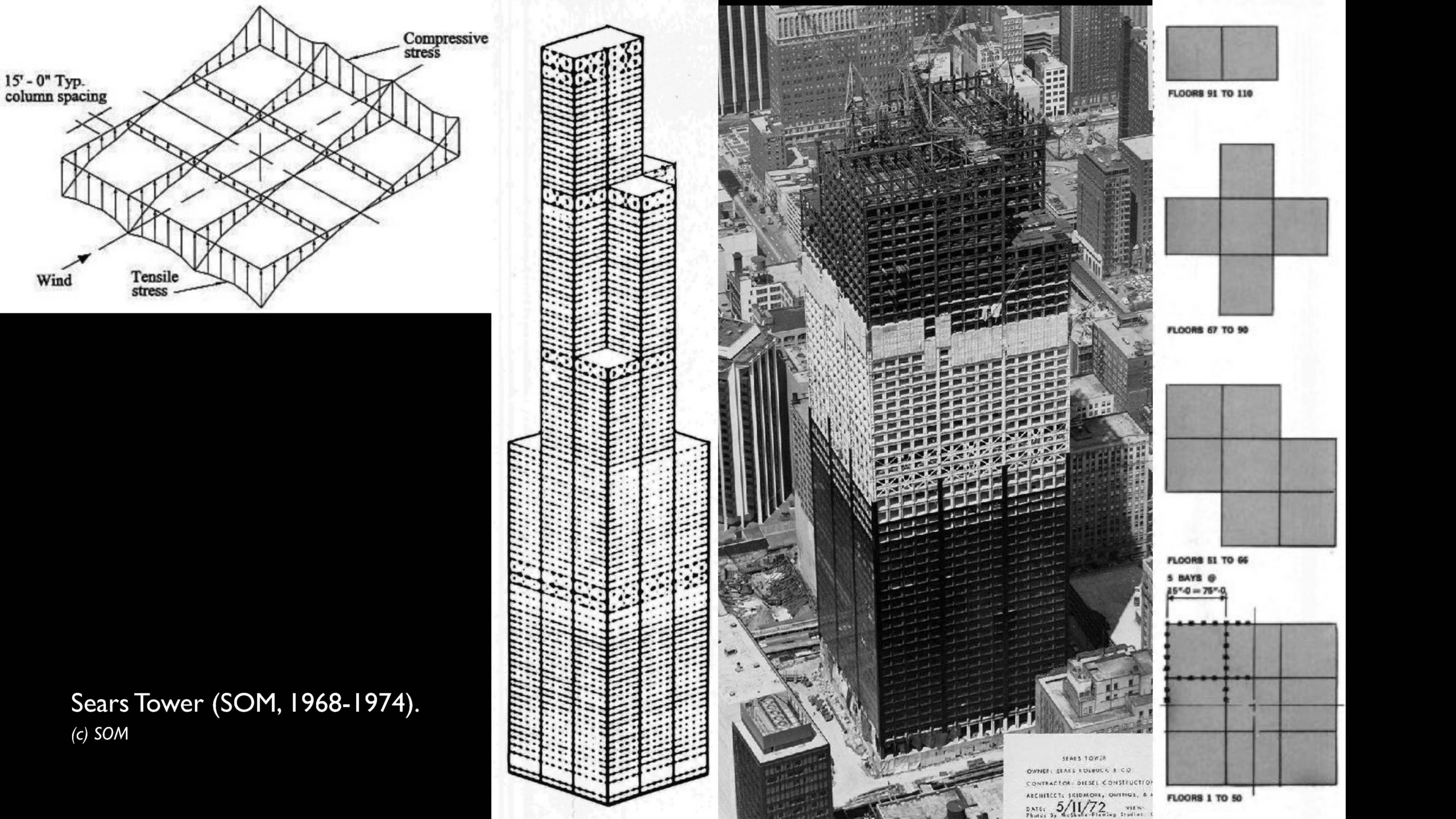
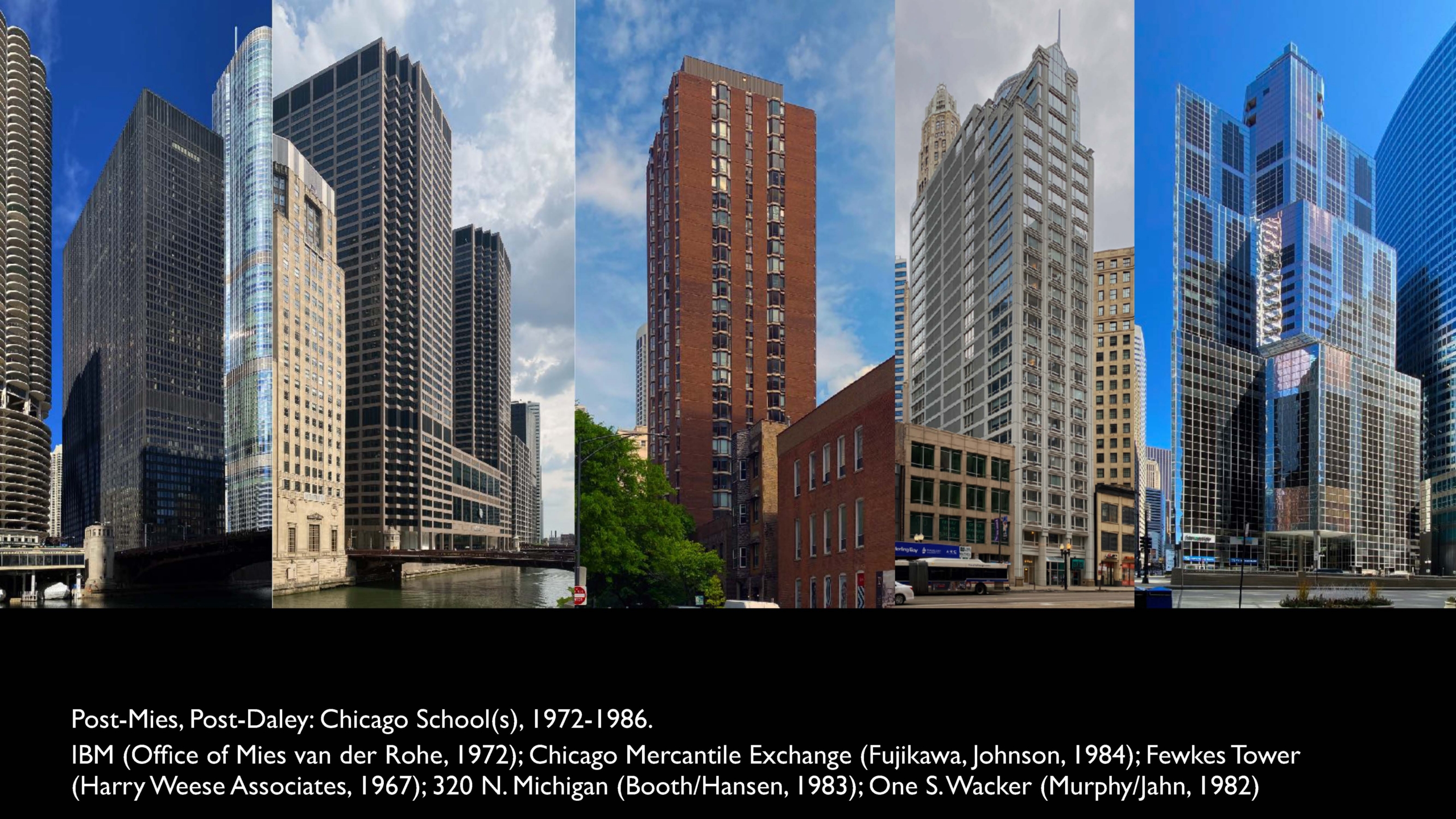
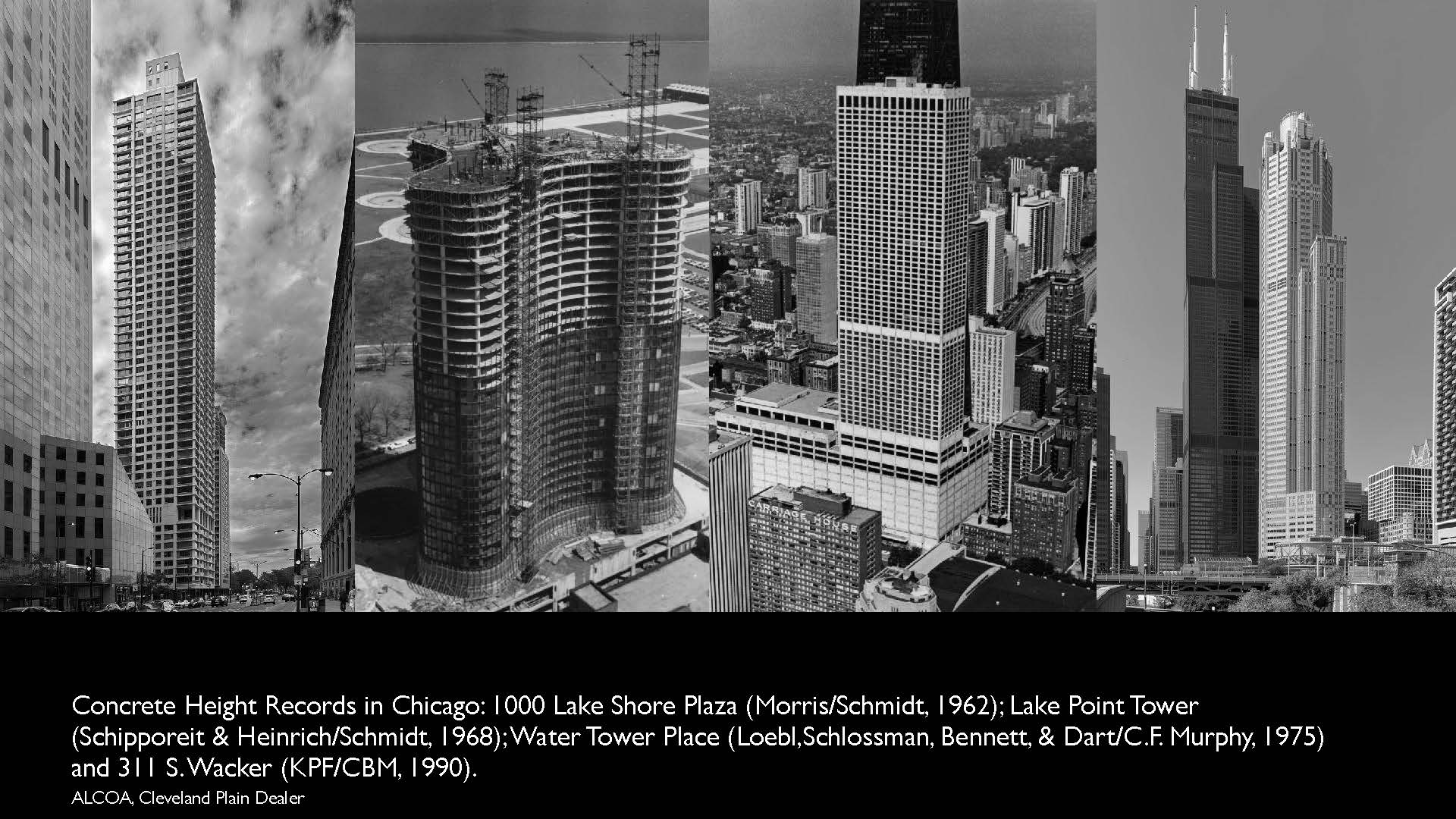
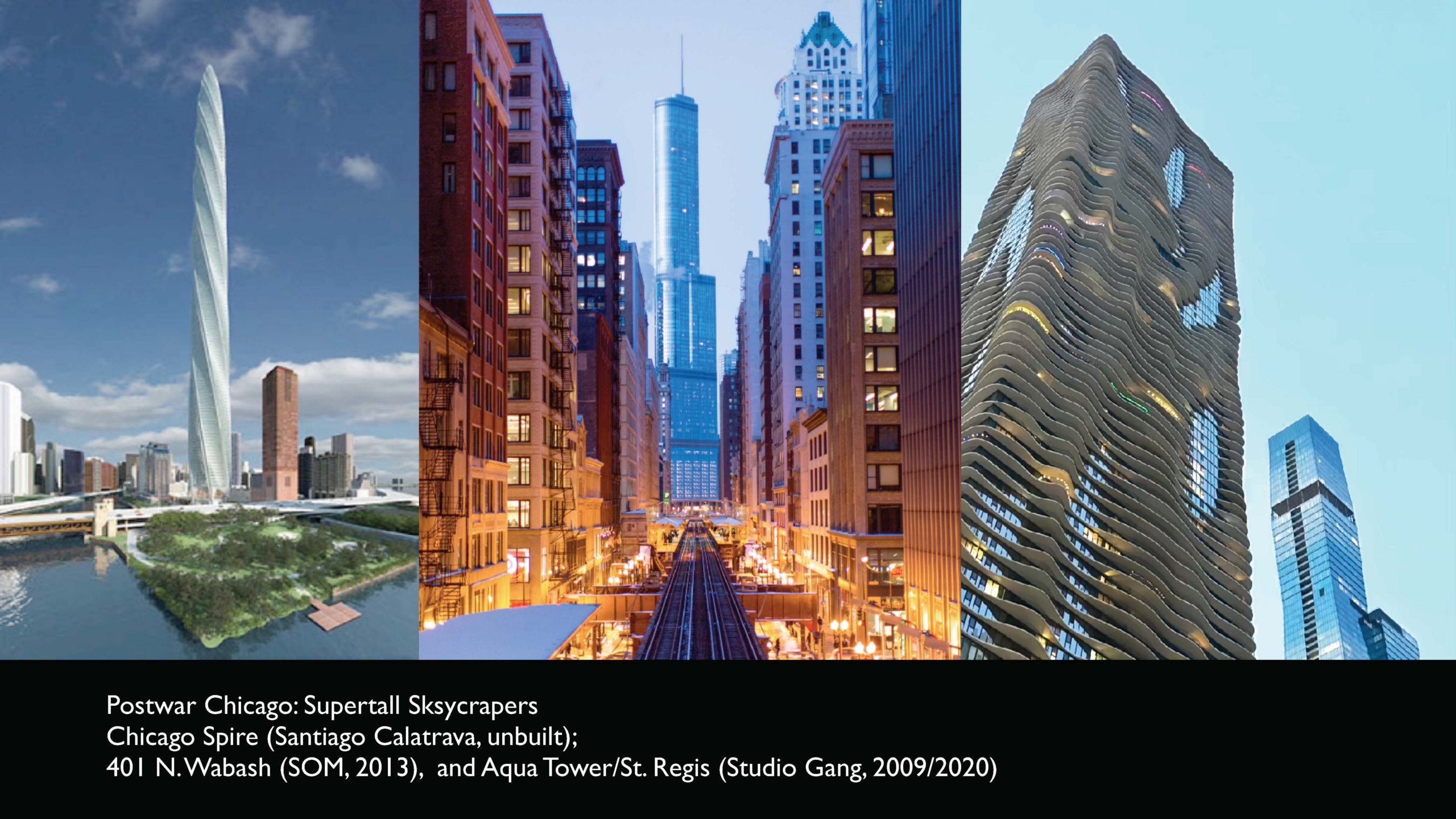
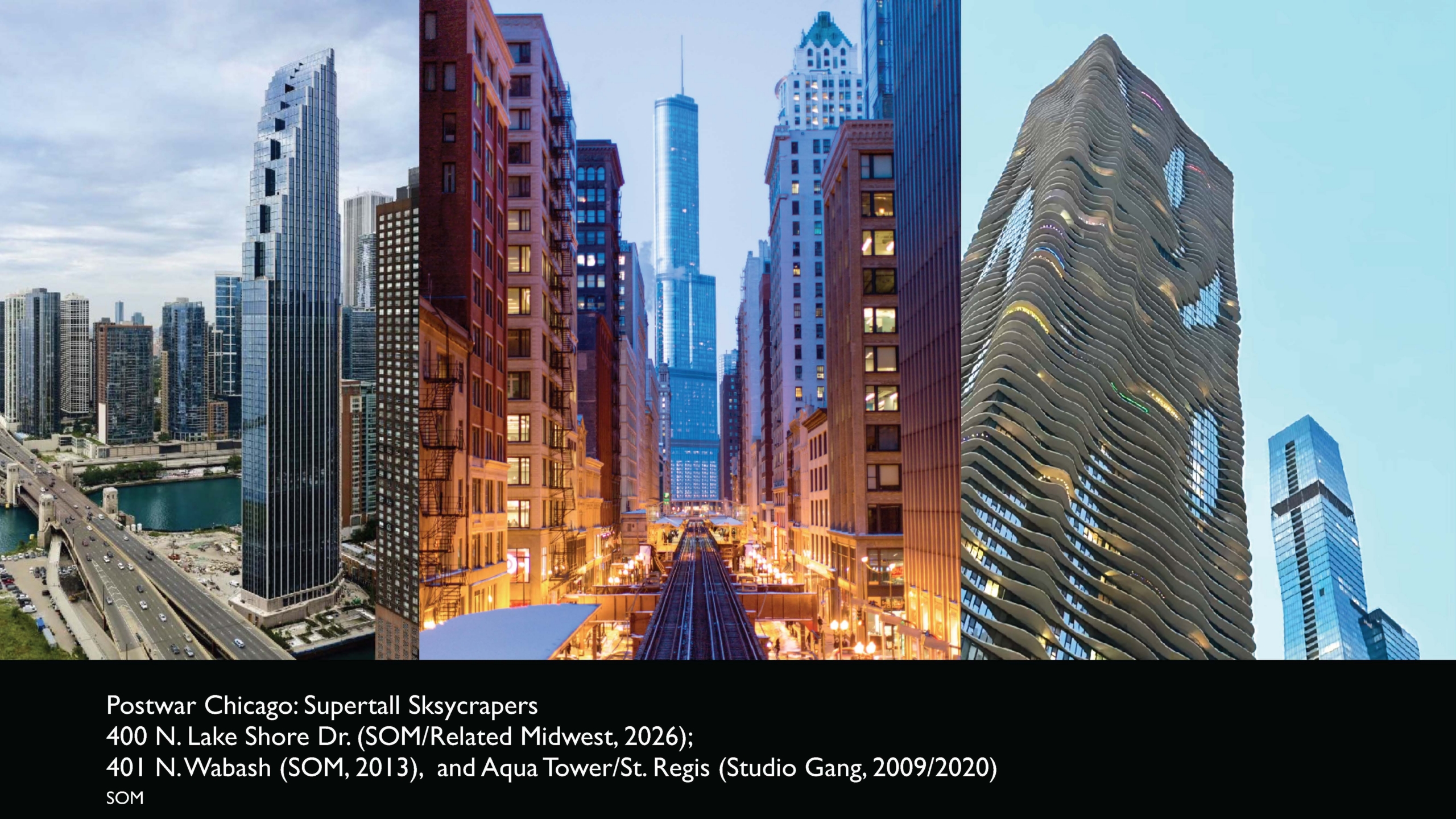
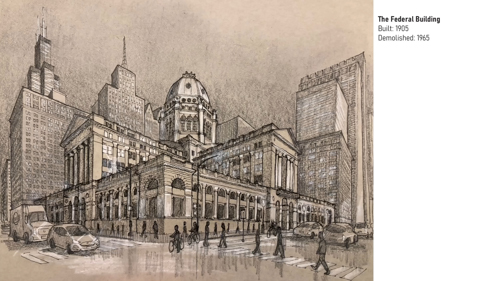
Leslie’s talk traced how a two-decade construction drought spanning the Great Depression and World War II delayed Chicago’s postwar skyscraper boom, even as architects and engineers quietly developed the technologies that would define it. He described the Great Migration’s impact on housing demand and the innovative cooperative apartment projects of Henry Holzman and Herbert Greenwald. Leslie goes on to describe how Greenwald’s partnership with Mies van der Rohe produced 860-880 Lake Shore Drive once the city finally modernized its outdated 1905 building code. Leslie then turned to Chicago’s return to commercial construction under Mayor Richard J. Daley’s Central Area Plan. He covers important landmark buildings including Inland Steel, Harris Bank, Marina City, the Daley Center, the Brunswick Building, the John Hancock Center, and Sears Tower. Along the way he focuses on structural engineer Fazlur Khan’s tube-structure innovations that made many of these buildings possible.
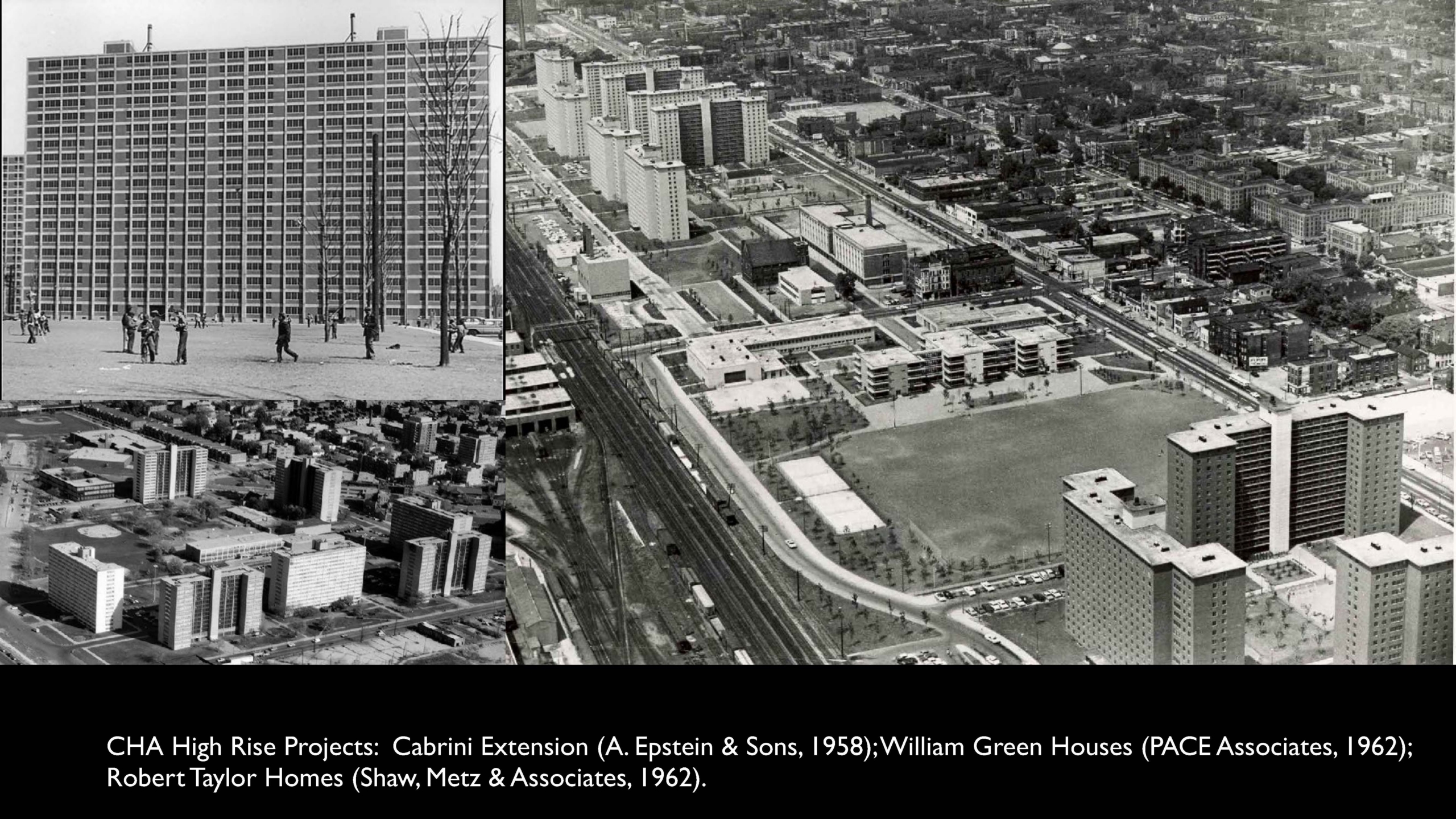
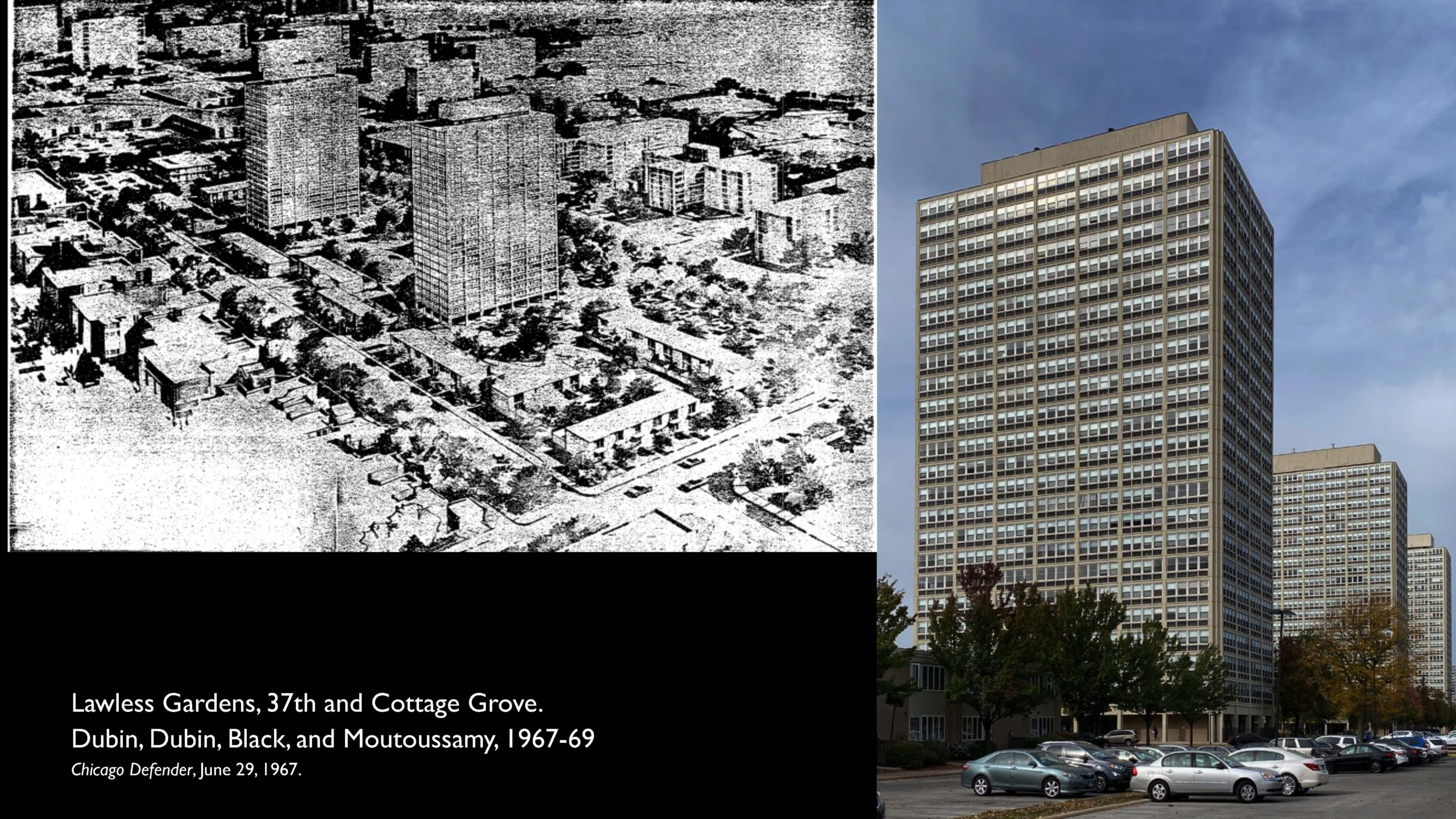
Leslie also addresses the more troubled legacy of public and cooperative housing, urban renewal, and their disproportionate impact on Chicago’s Black communities. He highlighted projects like Lawless Gardens alongside better-known commercial landmarks. His talk closed with audience questions on apartment interior design and the racial dimensions of postwar redevelopment, underscoring the book’s central argument that large-scale building is never a neutral act.