
Chapter Six: The Bowe and Bowe Law Firm
Chapter Six of “Gus and Julia Bowe, Remembered”
As told by William J. Bowe, drawn from his January 29, 2021 interview with his cousin Tony Bowe.
Table of Contents
The Bowe & Bowe Law Firm: The Early Years
Summary
This chapter traces the Bowe & Bowe law firm from its early years built on Illinois’s new workers’ compensation law, through the disruption of World War I, when Gus ran the firm alone while his brother recovered from a wartime injury in France, to the firm’s wartime-era prominence and its gradual decline through the 1950s as the brothers aged and the practice changed.
The Narrative
The Bowe & Bowe Law Firm: The Early Years
The Bowe & Bowe Law Firm: The Early Years
Once Gus and my father were both out of law school, Gus in 1913 and my father in 1915, the firm was earning $10,000 a year by 1919. That was real money at the time. It was enough to support their mother and sister in increasing comfort and permitted the family to move into the more prosperous Irish neighborhood on West Washington Boulevard. My mother’s book The Families names two early sources of business: Henry Horner, later a governor of Illinois, and a man named Tom Nash. Though I never established whether this Nash had any connection to Patrick Nash, later chairman of the Chicago Democratic Party in the Kelly-Nash machine of the 1930s, if there was a connection, it might explain something about how early and easily Gus found his way into politics.
The firm’s early practice was built on Illinois’s new workers’ compensation law, representing injured workers exclusively. It was a fortunate coincidence of timing. Gus and my father graduated from law school just as states across the country were enacting these laws. The reforms moved disputes over workplace injury compensation (like lost fingers, lost limbs, lost lives) out of slow, overwhelmed civil courts and into the Illinois Industrial Commission, a dedicated system that still exists today. The law firm took these cases on contingency. Over time, the practice grew beyond workers’ compensation into personal injury work more broadly. If someone was run over by a truck, that was a case for them too. My father had his funny stories from those early years, including a circus injury case where the circus manager, who’d had to pay out, still became good friends with the brothers Bowe.
Bowe & Bowe: Interrupted by World War I
Interrupted by World War I
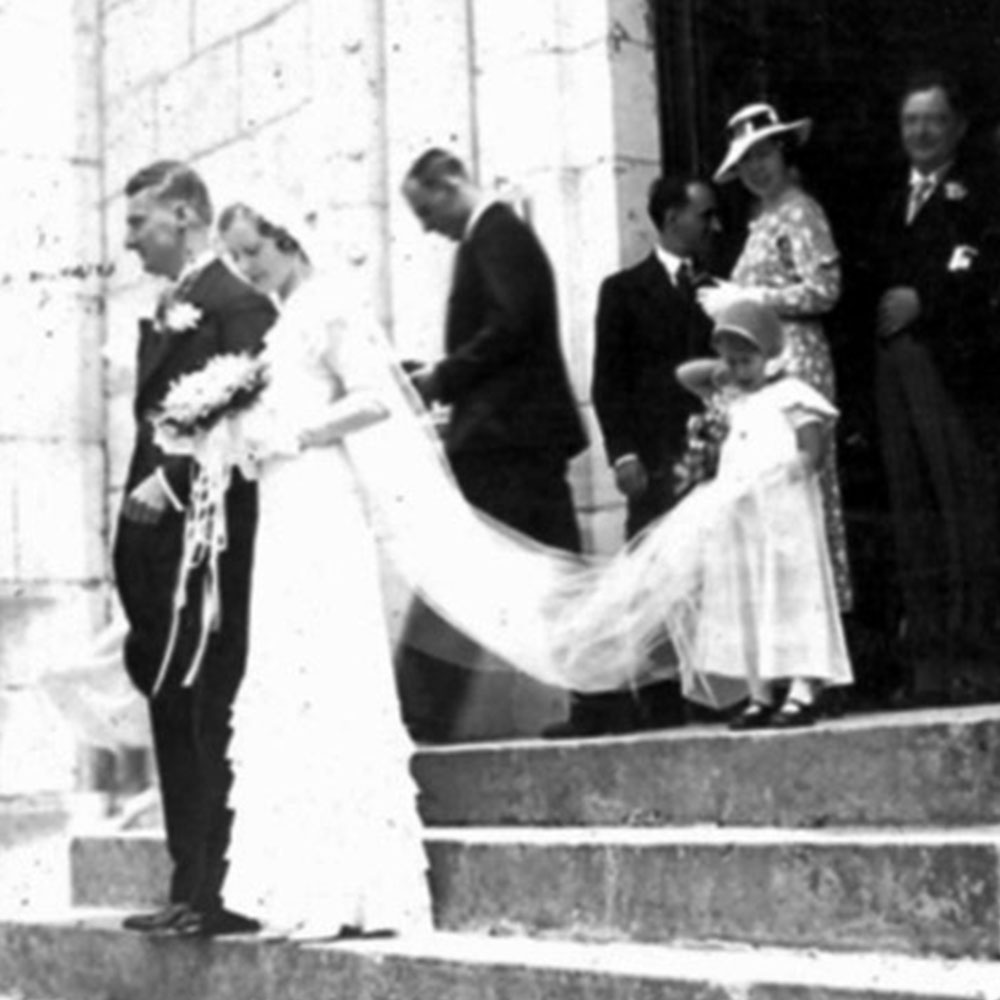
World War I complicated things considerably. My father was in a quartermaster unit of the Illinois National Guard, which was quickly federalized and sent to France, when the war broke out. This left Gus home alone to keep a brand-new business afloat, at a time when my father was the better of the two at bringing in clients. Early in his time in France, my father was run over by a troop train and lost half a foot. This put him through an extended stay in French hospitals in Blois and Orleans before he finally came home. When he did, the firm took off, and by 1919 it was bringing in that $10,000. The war years fell hardest on Gus, who was alone in responsibility for his sister and mother during that stretch.
Bowe, Bowe & Casey: The Later Years
The Bowe & Bowe Law Firm
The firm’s prominence in its field held through World War II. Someone once told Gus that, according to research, Bowe, Bowe & Casey had argued more cases before the Illinois Supreme Court than Abraham Lincoln had. Gus never vouched for the claim, but thought it could well be true. My own guess is that it was, given the sheer volume of appeals the firm filed, often establishing important points of Illinois constitutional law along the way. One case from around 1943, the Grasse case, is still cited today. The business began to decline after the war, and as the 1950s wore on my father became less of a factor in the firm. His drinking didn’t help, and Alzheimer’s disease continued to erode his capacities through the rest of that decade until he died in 1965. Where Gus had been the firm’s legal intellect, my father had been its rainmaker, and as his role faded, and as unions began steering business to newer competitors, the family’s fortunes declined through the 1950s. This was a decline mirrored on Julia’s side too, as income from her family’s store in Kankakee, Lecours, fell off as well. The families kept up appearances and kept the practice and the store going, but they were watching their pennies more closely than they once had.
← Previous: Chapter Five · All eight chapters and the video record · Next: Chapter Seven →