Hiring Lawyers


Wizard of Oz Collectors Plate
At one point, Canadian customs authorities disputed the value assigned to Bradford’s imports, claiming it was losing customs duties that were due as a result. After concluding the Canadian valuation calculation Customs made was faulty, I went shopping in Canada for a lawyer there who could represent the company in putting forth its arguments. At the time in Canada and other British Commonwealth countries, lawyers weren’t just lawyers, they were either solicitors or barristers and never the twain did meet. Solicitors generally only did office work, though they might appear as advocates in lower courts. Barristers were trial lawyers and had a monopoly on trying the bigger cases in the trial and appellate courts. This meant I needed a barrister.
Early in my search, I discovered a subset of barristers known as Queen’s Counsel. This group turned out to be where I found my lawyer. These advocates are appointed by the Canadian Minister of Justice. All were senior trial lawyers who were recognized for their contributions to the legal profession and public service with the Queen’s Counsel (Q.C.) designation. Later in my career with Encyclopaedia Britannica, I also had a chance to be similarly guided through major disputes in trial and appellate courts of the United Kingdom and Australia.
Burt Jenner of Jenner & Block
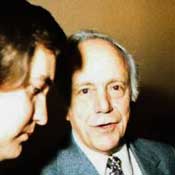
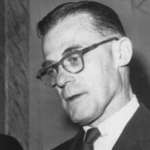
Before Rod MacArthur sued his fellow directors of the John D. and Catherine T. MacArthur foundation, he had asked me for guidance in finding a premier trial lawyer. I took Rod on a round of interviews with several of Chicago’s most prominent attorneys. I began by introducing him to Albert Jenner, a founder of the Jenner & Block law firm. Jenner struck both Rod and me as not right for the job. He clearly seemed to be in declining health and lacking the mental acuity of his better days.
Weymouth Kirkland, founder of Kirkland & Ellis
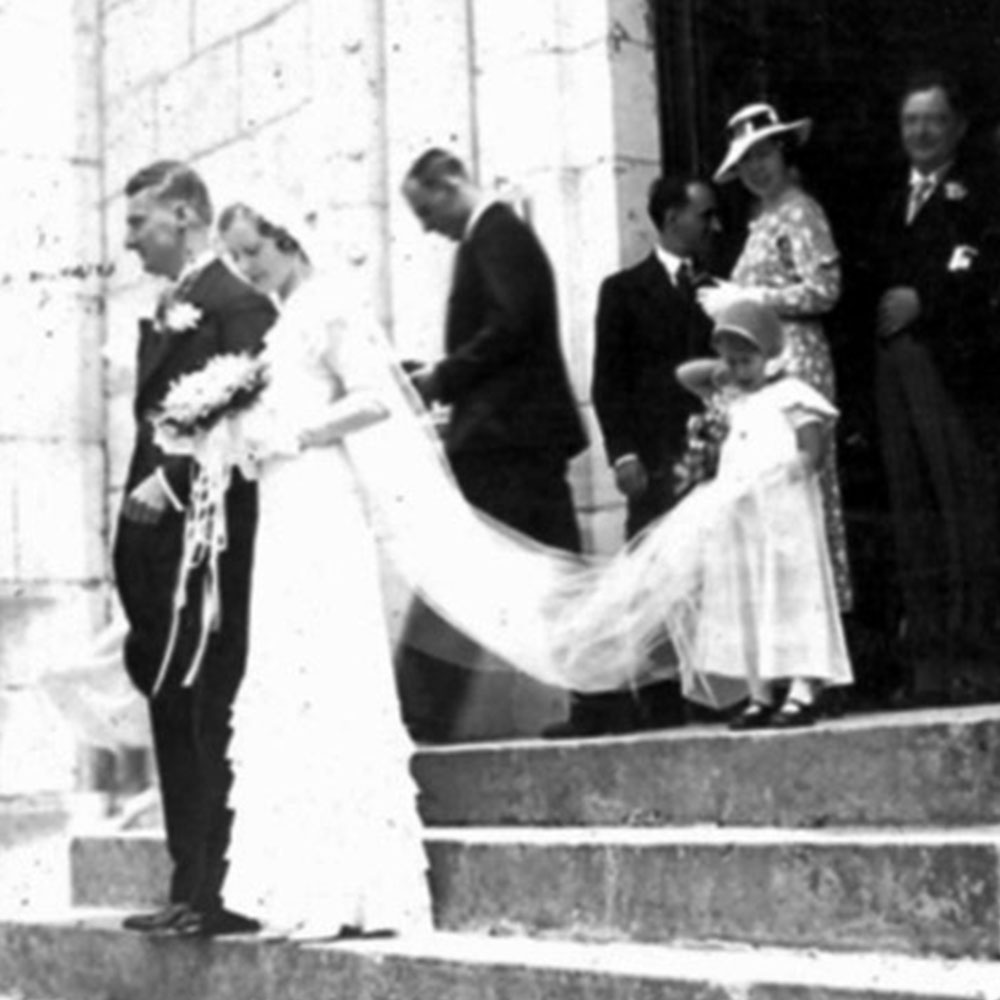
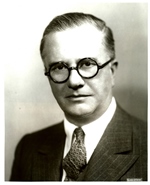
Kirkland & Ellis was also on the list to talk to. When I was in law school and beginning to interview firms for a clerkship, my father’s brother, Augustine J. Bowe, had left the Bowe & Bowe law firm to become the Chief Justice of the Municipal Court of Chicago. He suggested I ask for an appointment with one of Kirkland’s founders, Weymouth Kirkland.
When I expressed doubt as to whether Kirkland would take time to see lowly me, Gus said not to worry. He said he and Weymouth had known each other for decades. I later discovered that these contemporaries had met not as leading Chicago lawyers who might have met as allies or adversaries, but because Gus and his wife, Julia, had bumped into Kirkland and his wife, Louise, on summer trips to France in the 1920s. As Gus predicted, Kirkland did take time to see me.
Don Reuben of Kirkland & Ellis
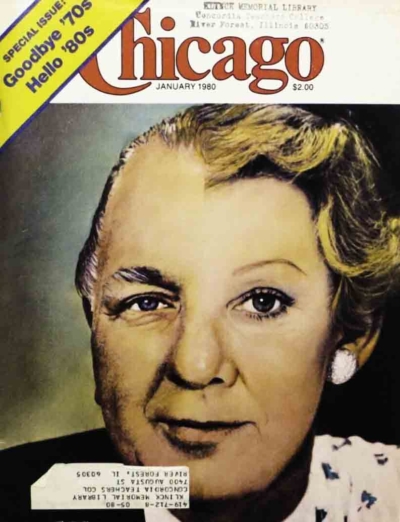
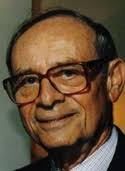
With the Kirkland firm on my list for the current assignment, I introduced MacArthur to its most prominent litigator of the day, Don Reuben. Reuben was much in the public eye, having such diverse clients as the Chicago Tribune and Time and sports teams such as the White Sox, Cubs, and Bears. Add to them the Illinois Republican Party, the Catholic Archdiocese of Chicago, and Hollywood personalities Zsa Zsa Gabor and Hedda Hopper. Reuben wasn’t hired then, but not long after I left Bradford, Rod finally did sue his fellow MacArthur Foundation directors, Rod was represented by other Kirkland & Ellis trial lawyers. Reuben was out of the picture at that point because not long after Rod and I met with him, he had been canned by the firm in what the Chicago Tribune called “an act of back-stabbing plotted while Reuben was on a European vacation.”